Our sermon resource provides access to the last six messages offered during worship. Our Sermon Archive provides access to messages offered over the past three months.


RESOURCES
SERMONS
MOST RECENT SERMONS
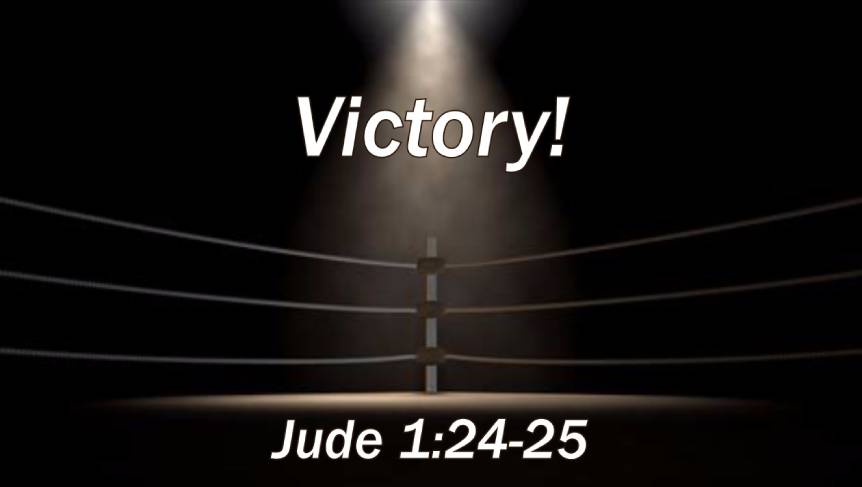
Rev. Aaron Carpenter
October 11, 2026
—

Rev. Aaron Carpenter
October 4, 2026
—
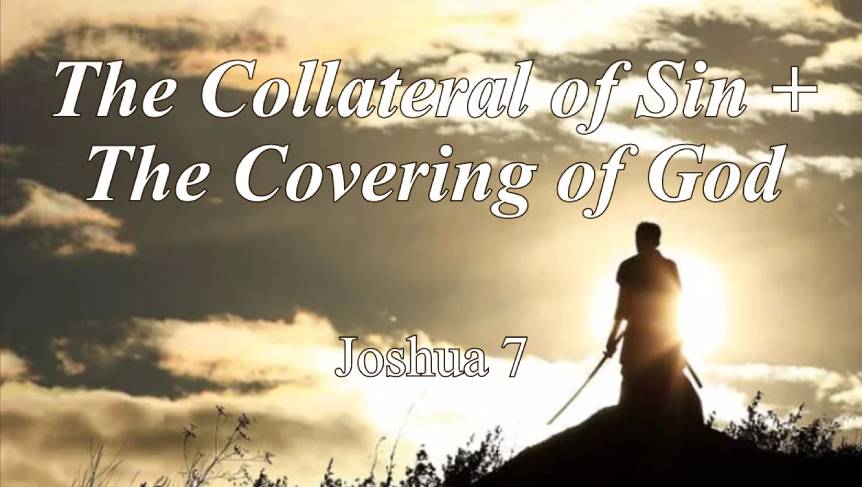
Rev. Aaron Carpenter
September 20, 2026
—
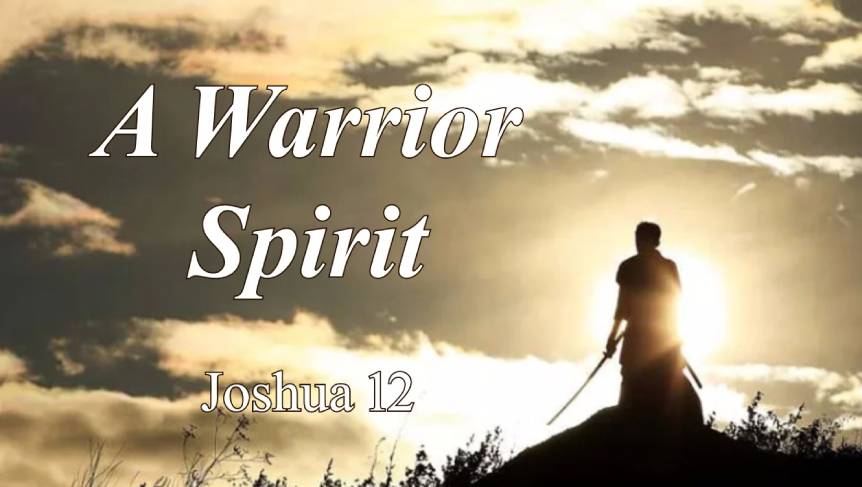
Rev. Aaron Carpenter
September 13, 2026
—
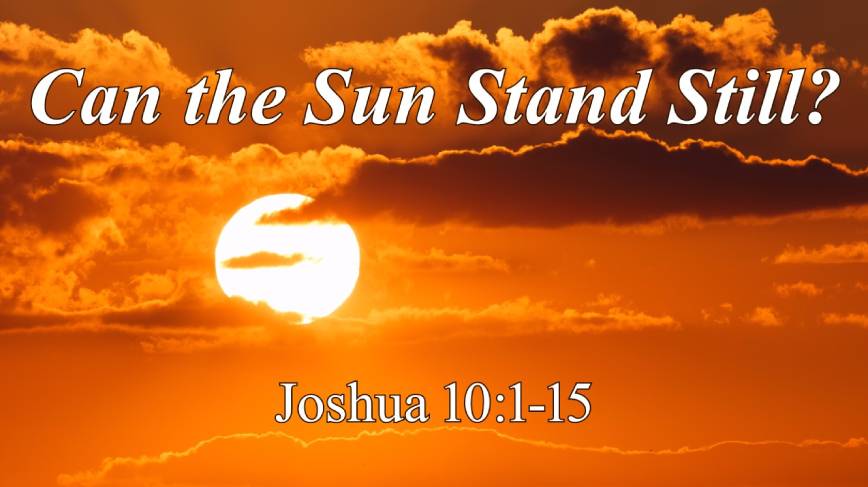
Rev. Aaron Carpenter
September 6, 2026
—

Rev. Aaron Carpenter
August 16, 2026
—
Visit SERMON ARCHIVE for older sermons ::
Suggested Bible Readings for the Week of September 27, 2026:
John 1:3-5, 3:14-19, 10:10 || A pastor wrote, “The most famous of John’s statements about life is what Martin Luther called the ‘gospel in miniature,’ John 3:16….for John, eternal life is not just what happens after we die, though it certainly includes life after death. For John, eternal life begins now. As we know Jesus, trust him, abide in him, listen to his voice, and follow him, we experience forgiveness, hope, love, and a purpose-filled existence.” That was why Jesus offered “life to the fullest.” One of John’s most powerful images of Jesus’ saving impact was the contrast between light and darkness (cf. also 1 John 1:5-7). Sometimes, for big or small reasons, we begin to fear that darkness will extinguish the light. To remember John 1:5, take a small candle or flashlight into a dark room, and confirm that darkness can’t put out the light. In what ways has Jesus’ saving presence brought light into the darker corners of your life? How do you understand the meaning of “God so loved the world…God didn’t send his Son into the world to judge the world”? Too many people think anyone who quotes John 3:16 mainly judges and condemns them. In what ways have you learned to personally trust God’s saving forgiveness to transform and free you? Can you identify one of your relationships in which you will begin or deepen the process of more fully living out the freedom of a forgiven, forgiving life during 2027?
Prayer: Lord Jesus, if you didn’t come to judge the world, then you clearly don’t want me to make that my major mission either. Shine your saving, loving light through me to a darkened world. Amen.
== Are you tempted to live independent from God anywhere in your life?
Prayer: Lord Jesus, if you didn’t come to judge the world, then you clearly don’t want me to make that my major mission either. Shine your saving, loving light through me to a darkened world. Amen.
== Are you tempted to live independent from God anywhere in your life?
Ephesians 2:1-10 || This letter reflected the reality that all of us sometimes find our life stuck (like a tractor in a deep mud hole). It communicated to Christians in Ephesus that the significant positive changes in their lives (cf. Acts 19:18-20) were not something they had accomplished on their own initiative or strength (verse 9). They were God’s accomplishment, God’s “work of art” (Greek poema), living out the kind of beautifully transformed life God desired them to live. Today’s reading said salvation “is God’s gift. It’s not something you possessed.” In what ways does Ephesians’ language fit your life experience? Do you ever pause to reflect on the reality that the good changes in your life are not solely your “accomplishment,” but (even when you have invested hard work in changing habits or patterns) originated in God’s power at work in your life? To what extent have God’s priorities become, not just an occasional exercise that you do when there’s a special church activity, but woven into the way that you live your life? How open are you to letting God continue to reshape the way you live even the “secular” parts of your life—driving, shopping, business activities, paying bills, playing and watching sports, and the like?
Prayer: Lord Jesus, I want to be your accomplishment, to be an example of what your spiritual craftsmanship can do in a human being. Please keep shaping and guiding me in all I do today. Amen.
== We are often most vulnerable in the moments following great victories. How have you seen this play out in your life?
Prayer: Lord Jesus, I want to be your accomplishment, to be an example of what your spiritual craftsmanship can do in a human being. Please keep shaping and guiding me in all I do today. Amen.
== We are often most vulnerable in the moments following great victories. How have you seen this play out in your life?
Romans 5:1-10 || Systematically setting out the core of his message, the apostle Paul told Christians in Rome (where he’d never yet been—cf. Romans 1:10) that people need Jesus because his living, dying and rising again reconciled us with God. That reconciliation is not just “fire insurance.” It opens a new quality of life here and now for us. In this new life we see even problems differently, knowing that “trouble produces endurance, endurance produces character, and character produces hope” (verses 3-4). Paul expanded on “peace with God” when he later told Timothy, “This saying…deserves full acceptance: ‘Christ Jesus came into the world to save sinners’—and I’m the biggest sinner of all. But this is why I was shown mercy, so that Christ Jesus could show his endless patience to me first of all” (1 Timothy 1:15-16). How have you (or could you) open your heart to the inner peace Jesus offers? Paul trained as a rabbi (cf. Acts 22:3). Rabbis used a rhetorical form known by the Hebrew words qal wahomer, or “How much more.” In verse 10, Paul used that form to say, in effect, “If Christ was willing to die for us, how much more certain can we be that he will stay with us and support us in our daily life?” ln what ways do you depend on Christ’s presence with you every day? How might it lighten your “spiritual load” to count on that more completely?
Prayer: Lord Jesus, thank you for your willingness to die for me before I was even born, and to draw my heart to you. And thank you for staying with me to guide me into your kind of life. Amen.
== Is there any sin in your life right now you are allowing or tolerating? Invite the Lord to search your heart.
Prayer: Lord Jesus, thank you for your willingness to die for me before I was even born, and to draw my heart to you. And thank you for staying with me to guide me into your kind of life. Amen.
== Is there any sin in your life right now you are allowing or tolerating? Invite the Lord to search your heart.
Philippians 3:20 – 4:8 || At times we may think our faith is just about the future (“Someday—if I’m good enough—I’ll be with my Savior in heaven”). In today’s reading, the apostle Paul clearly brought the future and
present parts of our faith together. Scholar N. T. Wright wrote, “We naturally suppose he means ‘and so we’re waiting until we can go and live in heaven where we belong’. But that’s not what he says, and certainly not what he means. If someone in Philippi said, ‘We are citizens of Rome,’ they certainly wouldn’t mean ‘so we’re looking
forward to going to live there’. Being a colony works the other way round….No: the task of the Roman citizen in a
place like Philippi was to bring Roman culture and rule to northern Greece, to expand Roman influence there. The
church is a colony of heaven, with the responsibility (as we say in the Lord’s Prayer) for bringing the life and rule of heaven to bear on earth.” Chapter 4 called (and calls) Christians to live as citizens of heaven right now. Being “citizens of heaven” doesn’t mean we don’t care what happens to this deeply troubled world we live in. Jesus
didn’t shrug off people’s needs, saying, “Someday I’ll make them all better”. Paul, Jesus’ committed follower, was in prison because he didn’t retreat to a quiet spot but traveled constantly, calling often-hostile citizens of the Roman
Empire to the better life they’d have by making Jesus, not Caesar, their true Lord. Echoing the image of citizenship he used to the Philippians (who lived in a Roman city), he told another group of Christians, “We are ambassadors who represent Christ”. In what ways are you living as an ambassador, a colonist seeking to bring the life and rule of heaven to bear on earth? How can you join with others in your congregation to carry out that mission?
Prayer: Lord Jesus, you’re not going to be my Savior and Lord “someday.” You save me today, with work for me to do for your kingdom. Give me your heart for this hurting world. Amen.ry life an offering to you, an ongoing act of worship. Amen.
== Do you need to confess sin today? We encourage you to reach out to someone you trust, to your group, to a leader in your life, and bring what you are carrying into the light.
Prayer: Lord Jesus, you’re not going to be my Savior and Lord “someday.” You save me today, with work for me to do for your kingdom. Give me your heart for this hurting world. Amen.ry life an offering to you, an ongoing act of worship. Amen.
== Do you need to confess sin today? We encourage you to reach out to someone you trust, to your group, to a leader in your life, and bring what you are carrying into the light.
Psalm 32 || Step 4 in a 12-step program is “Made a searching and fearless moral inventory of
ourselves.” That idea has strong Biblical roots. Israel’s King David found himself in a tangled moral situation that just kept getting worse (cf. 2 Samuel 11:1 – 12:13). When his friend and ally, the prophet Nathan, called out what he had done, David did not shrink from a searching, fearless inventory. Psalms 32 and 51 seem to clearly reflect the
thought process by which he restored his life to God’s purposes. Verses 3-5 of Psalm 32 reflect the reality we
sometimes express with the phrase “the coverup is worse than the original offense.” Most of us have experienced in some way (though maybe not for anything quite as huge as David’s failure) of “when I kept quiet, my bones wore out.” Have you also ever experienced the relief and lightening of your load verse 5 described? Is there anything in your life right now that you need to come to grips with honestly? For centuries, God’s people have used the prayer from Psalm 51 as a model of honest, serious prayer for renewed life. “God has the ability to create and re-create, activities associated elsewhere with God’s spirit (see Genesis 1:2). The threefold repetition of spirit suggests that new life is possible for the forgiven sinner.” What makes it important that a “searching, fearless moral inventory” lead to hope for new life, not hopelessness?
Prayer: Lord Jesus, by your Spirit lead me to be honest with myself and with you. And then by your Spirit lead me to the hope of a renewed, purified way of life. Amen.
== Joshua 7 unveils the pattern of sin as “see, desire, take, hide.” Where do you usually notice temptation beginning in your own life?
Prayer: Lord Jesus, by your Spirit lead me to be honest with myself and with you. And then by your Spirit lead me to the hope of a renewed, purified way of life. Amen.
== Joshua 7 unveils the pattern of sin as “see, desire, take, hide.” Where do you usually notice temptation beginning in your own life?
Ephesians 4:20-24 || We often see our culture as given to short-term thinking, seeking instant gratification. When we choose that approach, it can feel as though giving up “a former way of life” means getting rid of all of life’s fun. The apostles saw it very differently. They were convinced that the new mind-set God offers us is not at all meant to squelch true joy in life. It rescues us from “deceitful desires” and makes genuine joy truly and lastingly possible. Ephesians 4:19 said being people “who lack all sense of right and wrong, and who have turned themselves over to doing whatever feels good” is what we don’t learn from Christ. In what ways do you see that approach to life echoed in many parts of today’s popular entertainment and media cultures? Have you ever sensed that those constantly transmitted messages have shaped your thinking more than you intended or realized?“Paul sees growth as increasing in discernment and discretion, which helps believers avoid being taken in by false shortcuts to growth. Personal growth and community growth work together here so that mature believers contribute to a mature church.” Don’t try to change a former way of life all by yourself!
Prayer: Lord Jesus, thank you that your Spirit works within me, and through my brothers and sisters on the journey of faith. Keep guiding me toward your way of life. Amen.
Prayer: Lord Jesus, thank you that your Spirit works within me, and through my brothers and sisters on the journey of faith. Keep guiding me toward your way of life. Amen.
Prayer Requests for the Week of October 11, 2026 ::
Birthdays: Doug Cook, Tamie Dyer, Bobby Calvert, Darryn Walker
Anniversaries: John & Jennifer Burson, Doyle & Penny Hammons
Anniversaries: John & Jennifer Burson, Doyle & Penny Hammons
Dawn Averett, Shawnda Bairnsfather, Tesha Baldwin and family, Heather Beasley, Clint Beckham, Larry Calhoun, Bro. Aaron & Amanda Carpenter, James Chaney, Lillian Cochran Chenoweth, Tookie Collum, Doug & Donna Cook, Tommie Cook, Lynn & Dee Copeland, Donald Cumpton, Tammie Cumpton, Rachael Duke, Tamie Dyer, Kelly Evans, Jackie Fuller, Rachel & Jerry Gandy, Sue Greer, Liz Darling Gross,
Ramona & Terry Haire, Doyle Hammons, J.L. Harrell, Jeanie Hernandez, Bill Jennings, Betty Sue Landrum, Paula Landrum, Randy Lively, Raylene McNaughton, Shane Mees,
Carson & Madeline Millikin and baby Millie Kay (Carli Hubbard’s brother & family), Carol Mulhern, Mike Neathery, Allen Nettles, Deborah Oglesby, Gary & Sandra Pesnell,
Cheryl & Leroy Ratcliff, Remona Rawls, Henry Rice, Markaye Russell, Phyllis Scurria, David & Carol Stansbury, Kellie Thames, Charlie & Peggy Thomason, John & Janice Thomason, Addison, Kasey & Hayes Thompson, Unspoken, J.C. Vandenberg, Bud Vinyard, Sarah Wallace, Edna Watts, Mary Allen Windsor, Anita Wing, Puddin Young, Missionaries Worldwide, Israel and persecuted Christians Worldwide, Ongoing situation in Ukraine, Our Church, Our Community, and Our Country
Family of Richard Abraham, Family of Jana Clack, Family of Lorena “Sis” Caston, Family of William Hallack, Jr., Family of Kenneth “Shug” Newsom, Family of Dennis Richardson,
Family of Benny Walker, Family of Clint Horne, Family of Jerry Hollis,